November 13, 2026
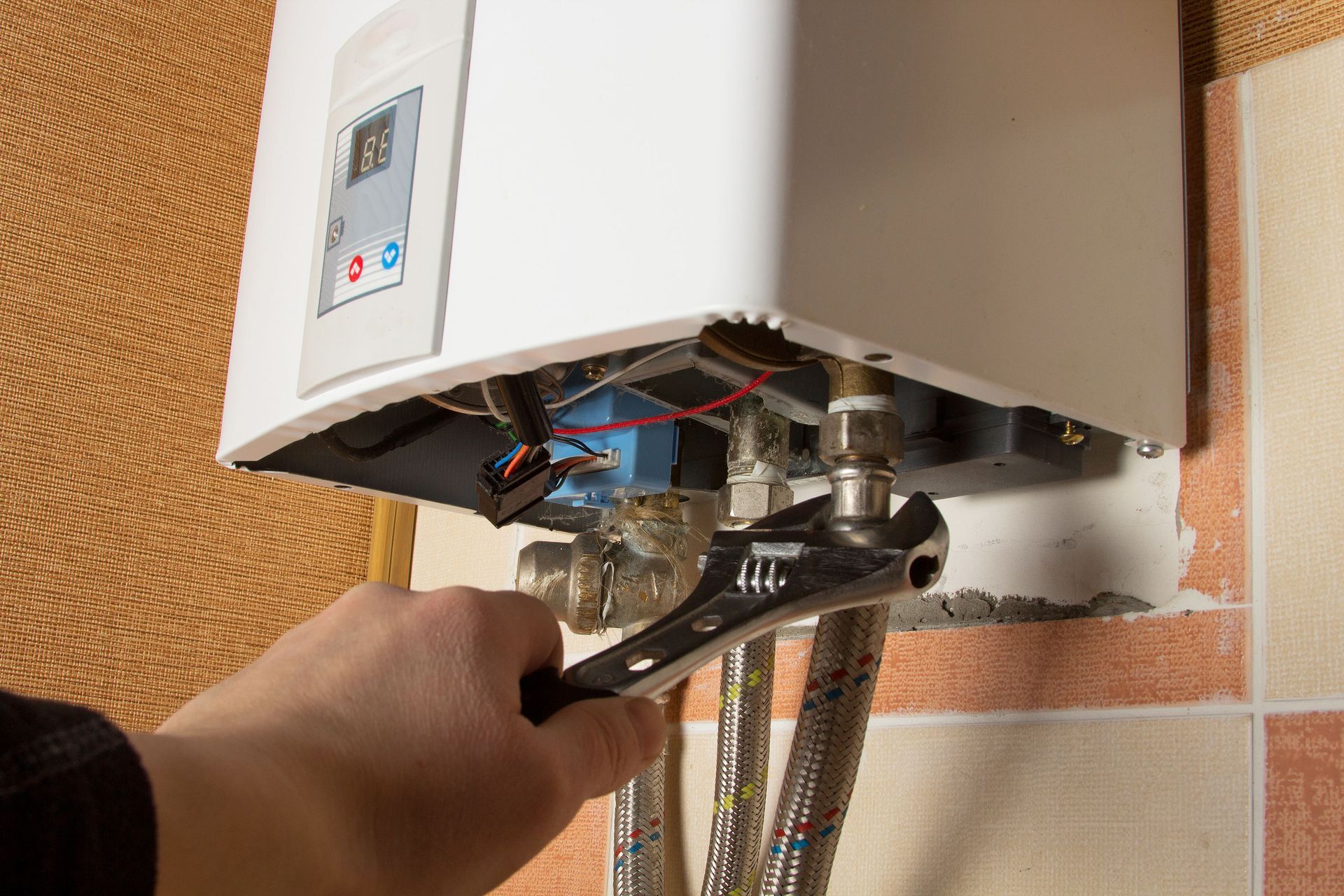
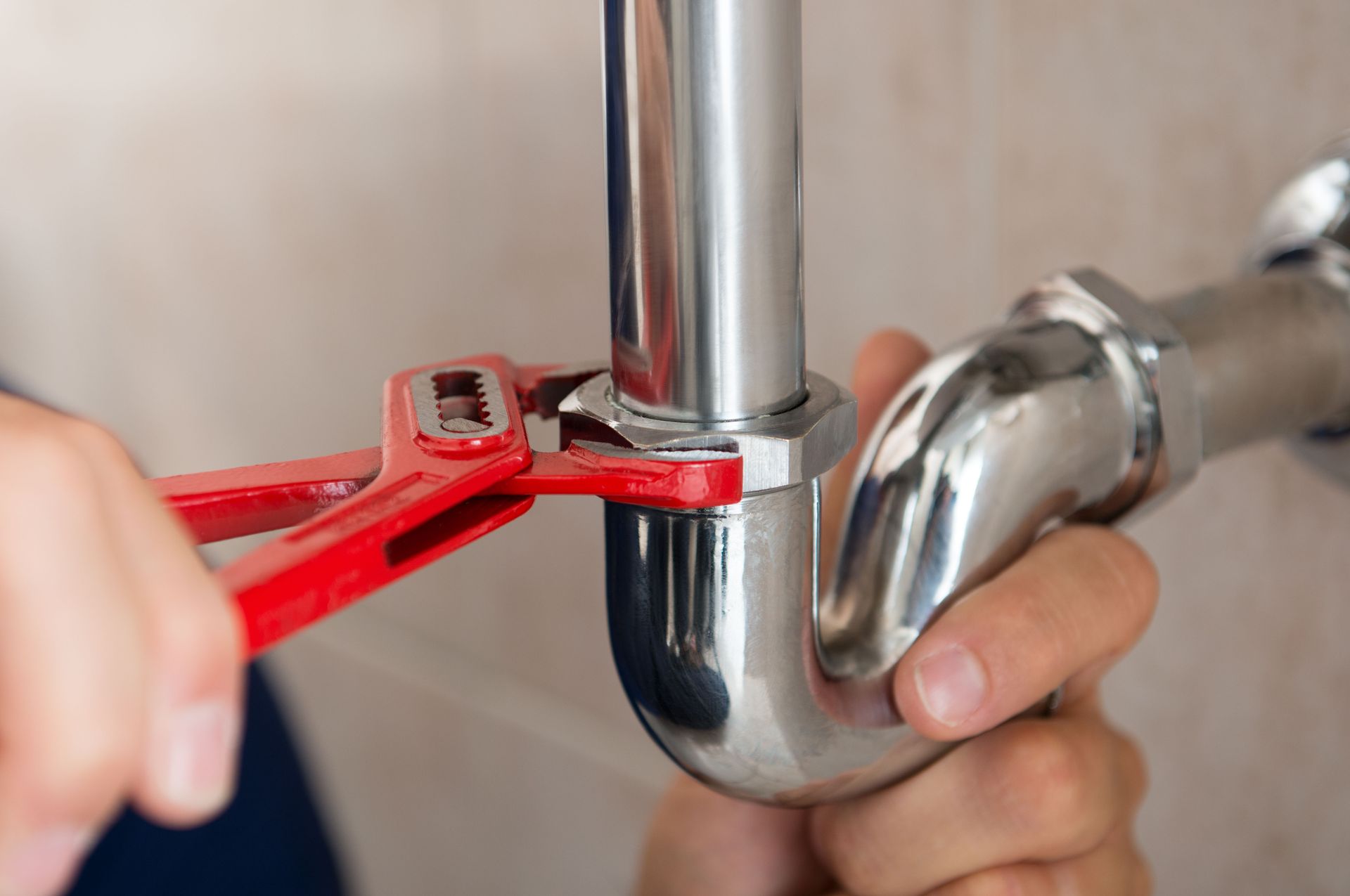
Timely water heater repairs are essential for preserving the daily comfort, energy efficiency, and operational safety of your home plumbing system. When a heating unit begins to fail, the inconvenience can disrupt morning showers, laundry cycles, and routine kitchen chores. Ignoring minor mechanical warnings often leads to compounding internal damage, resulting in costly emergency plumbing visits and premature equipment failure. Proactive maintenance allows homeowners to identify minor component wear early, preserving household budgets while maintaining a steady, dependable flow of hot water.
1. Recognize Inconsistent Water Temperatures
Inconsistent water temperature represents one of the most frustrating indications of internal equipment failure. When your shower suddenly shifts from soothing warmth to a freezing blast, your water heater is struggling to regulate thermal output. This erratic behavior often stems from a faulty thermostat, a broken upper heating element, or a cracked dip tube that deposits incoming cold water directly near the hot water outlet pipe. Heavy mineral sediment also settles along the bottom of the tank, creating an insulating thermal barrier that prevents burners or electric elements from heating the stored water uniformly. As a consequence, household appliances like dishwashers and washing machines struggle through extended cycles, driving up monthly utility bills.
While adjusting the thermostat dial might seem like an easy domestic chore, internal electrical components and gas burner assemblies require specialized diagnostic equipment. Attempting improper repairs can damage sensitive wiring or even void manufacturer warranties. Investing in prompt water heater repairs ensures that certified technicians can test electrical continuity, clear sediment obstructions, and restore proper heating element calibration. Addressing these thermal fluctuations early prevents widespread mechanical strain, helping you avoid an unexpected cold shower while protecting your household budget from compounding damage.
2. Identify Strange Tank Noises
Unusual sounds emanating from your utility closet or basement are unmistakable warnings that your heating system requires immediate attention. Typical warning noises include sharp popping sounds, deep rumbling, banging, and persistent hissing. In areas with hard municipal water, dissolved minerals like calcium and magnesium gradually settle at the base of the tank over time. As the burner heats the water through this hardened mineral layer, steam bubbles become trapped beneath the crust. When these pressurized steam bubbles violently burst through the mineral layer, they generate alarming popping and banging sounds that reverberate through your home.
Allowing severe mineral accumulation to persist creates excessive thermal stress across the lower steel tank wall. This localized overheating weakens the protective porcelain enamel lining, accelerating metal fatigue and significantly elevating the danger of sudden tank failure. Scheduling timely water heater repairs prevents sediment from permanently deteriorating the internal tank lining. Experienced plumbing professionals can thoroughly flush the storage reservoir, inspect heating elements for scale accumulation, and optimize heat transfer so your unit runs quietly and reliably once again.
3. Inspect Discolored or Rusty Water
Turning on a hot water faucet only to discover rusty, discolored, or murky water indicates severe deterioration within your domestic plumbing setup. If the discoloration appears exclusively when hot water runs, the source is almost certainly internal tank corrosion rather than municipal supply lines. Conventional storage tanks contain a sacrificial anode rod made of magnesium or aluminum, designed to attract corrosive elements and shield the steel tank walls from rust. Once this sacrificial rod completely dissolves from prolonged water exposure, corrosive minerals begin attacking the tank shell, discoloring your household water with an unappealing reddish tint.
Rusty water poses genuine practical challenges for homeowners, as suspended metal particles can stain porcelain sinks, ruin freshly washed laundry, and clog delicate faucet aerators. Drinking or bathing in heavily contaminated water also raises understandable health concerns regarding particulate exposure. Scheduling expert water heater repairs ensures that corroded anode rods or deteriorating plumbing connections are resolved safely. Replacing a depleted anode rod before rust penetrates the structural steel wall remains one of the most cost-effective ways to restore clean water and extend the service life of your system.
4. Notice Sudden Drops in Water Pressure
A sudden or progressive loss of hot water pressure can severely disrupt daily household routines. When you notice that cold water flows vigorously while hot water trickles from faucets and showerheads, an internal heating obstruction is likely choking the flow. Over time, heavy mineral scale and calcified sediment can collect inside the tank nipple connections, shut-off valves, and distribution pipe junctions. In similar fashion, a malfunctioning temperature and pressure relief valve or a deteriorated heat trap can restrict flow capacity, making simple tasks like washing dishes or showering frustratingly slow and inefficient.
Restricted water flow places heightened hydraulic strain on plumbing fittings, pipe joints, and appliance inlet valves throughout your property. Over time, persistent internal pressure imbalances can cause premature valve failure or lead to sudden leaks behind bathroom walls. Rather than tolerating weak flow, investing in qualified water heater repairs will restore balanced water pressure across every fixture in your home. Licensed plumbers can clear stubborn mineral deposits from supply lines, inspect safety relief valves, and ensure that internal plumbing pathways remain unobstructed for optimal volume and pressure.
5. Detect Active Leaks and Pooling Water
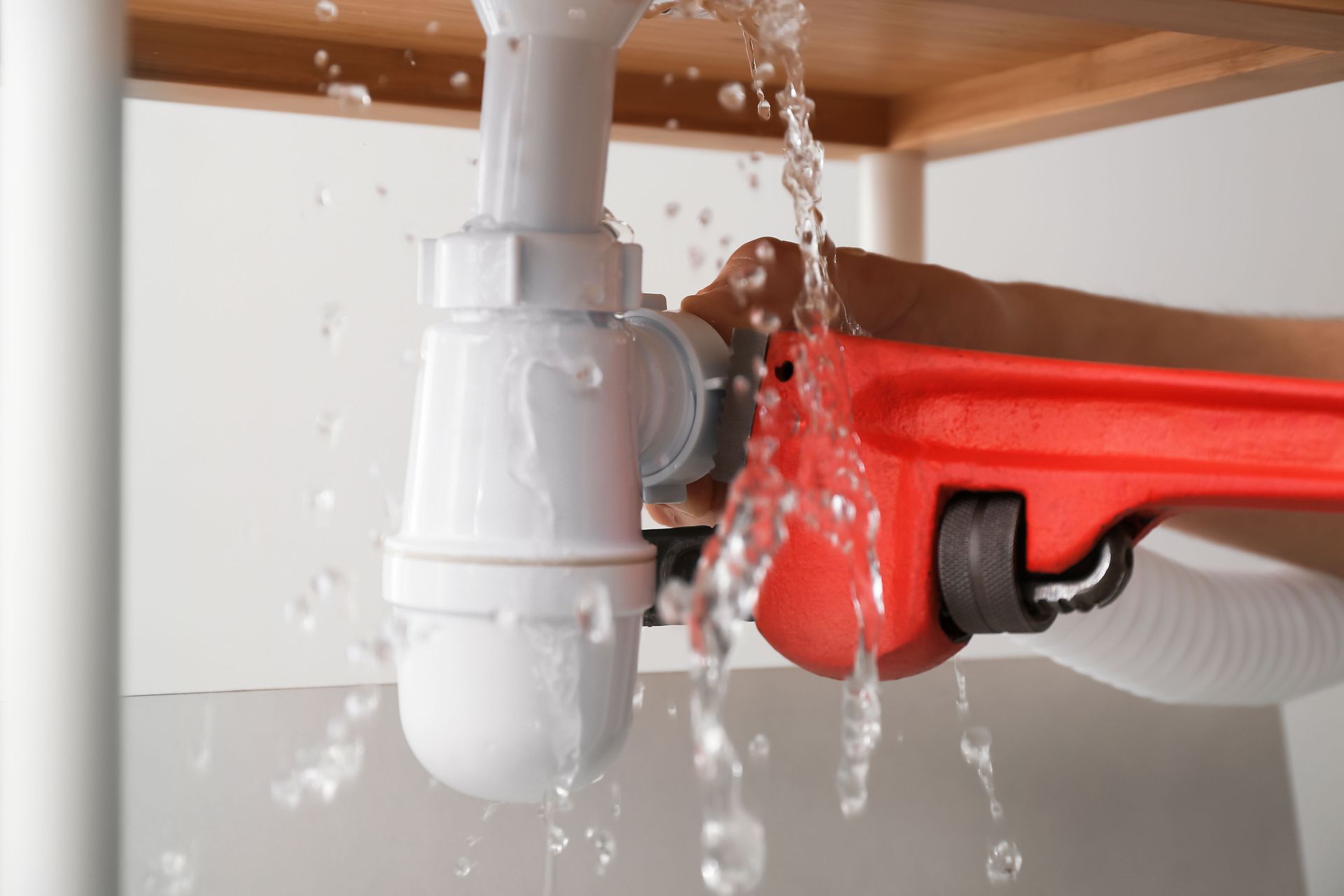
Moisture, dripping, or pooling water around the base of your heating equipment represents an urgent plumbing emergency that requires fast intervention. Tank leaks typically stem from several distinct sources, including loose pipe fittings, failing drain valves, worn heating element gaskets, or a compromised temperature and pressure relief valve. In less fortunate cases, persistent internal corrosion creates microscopic pinholes within the lower tank casing. Even minor drips can quickly saturate surrounding baseboards, drywall, and subflooring, setting the stage for costly structural rot and hazardous mold growth.
Ignoring standing water around your appliance not only escalates property restoration expenses but also risks catastrophic tank rupture that can flood living spaces within minutes. While replacing a worn drain valve or tightening a loose brass nipple is straightforward, severe tank corrosion cannot be reversed. Enlisting prompt water heater repairs allows qualified specialists to pinpoint the exact origin of moisture and determine whether a component replacement will suffice. Swift action protects your home from severe water damage while keeping your equipment running safely and securely.
6. Evaluate the Age of Your Unit
Understanding the operating life cycle of your heating equipment provides vital context when deciding between recurring service visits and total equipment replacement. According to This Old House, a standard tank water heater will typically provide reliable hot water for 10 to 15 years before age-related deterioration necessitates a full replacement. As equipment reaches this advanced operational milestone, mechanical efficiency naturally drops, internal components become increasingly brittle, and the probability of sudden component failure rises substantially. Monitoring equipment age ensures that property owners are not caught off guard by an unannounced system breakdown during peak winter demand.
When an older system demands frequent service calls, homeowners must evaluate cumulative maintenance expenses against the economic advantages of installing a contemporary replacement. Modern heating units boast advanced thermal insulation, enhanced burner designs, and superior energy factor ratings that substantially reduce monthly utility expenditures. Consulting with experienced plumbing specialists provides invaluable guidance regarding whether targeted component replacements remain cost-effective or if transitioning to a modern high-efficiency unit makes better financial sense. Professional guidance guarantees that your heating investments consistently maximize long-term comfort, reliability, and energy savings.
Routine professional maintenance and timely component replacements preserve operational efficiency, extend equipment lifespan, and guarantee that your home always enjoys a safe, dependable supply of hot water with water heater repairs. When you partner with experienced plumbing professionals, you can address minor system vulnerabilities before they disrupt your family routine. Reach out to us at William J. Guarini Inc. today to schedule your comprehensive system inspection and restore lasting comfort to your entire household.