
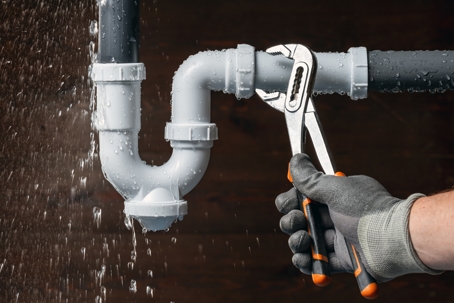
If you feel like you are calling a plumber every year for a new leak, you are not alone. Many Jersey City homeowners keep dealing with the same problems in different spots, from ceiling stains to damp basement walls, and it starts to feel like the house is working against you. Each repair bill seems manageable on its own, but the frustration grows every time there is another urgent phone call and another hole in a wall or ceiling.
For most older homes and small apartment buildings in Jersey City, that pattern is not random bad luck. It is usually the plumbing system telling you it is getting close to the end of its useful life. Understanding the real cost of frequent pipe repairs, including the hidden expenses that do not show up on the plumber’s invoice, helps you decide whether it makes more sense to keep patching or to plan for a repipe.
At William J. Guarini Inc., we have worked on Jersey City plumbing systems since 1921. We have seen how different pipe materials age in pre-war row houses, brownstones, and mid-century multifamily buildings, and we know what homeowners actually end up spending when they stay in repair mode for too long. In this guide, we share what we have learned so you can make a clear, financially sound decision about your own property.
Why Frequent Pipe Repairs Are So Common In Jersey City Homes
Jersey City has a large stock of older homes and small apartment buildings. Many of these properties were built long before modern plumbing codes, then renovated several times over the decades. Behind new tile and fresh paint, you often find original or very old piping that was never fully updated. That mix of old and new can look fine on the surface while the hidden parts of the system quietly wear out.
Older buildings in the area often still have galvanized steel, cast iron, or early-generation copper piping in some parts of the system. Galvanized steel, which was once common for water lines, tends to corrode from the inside. Minerals in the water and corrosion products slowly build up on the pipe walls, shrinking the opening and creating rough spots. Cast iron drain lines can develop internal scaling, rust, and joint failures after many decades of service.
As these materials age, weak areas and thin spots start to form at elbows, tees, and threaded joints, which are already stress points in any system. At first, you might see a single pinhole leak or a slow drip under a sink. Many people treat that first issue as a one-off problem and move on. In reality, that first leak is often a warning sign that the rest of the run of pipe is in similar condition, just waiting for a little extra pressure or movement to push it over the edge.
Once a system reaches this stage, failures tend to come in clusters. For example, a homeowner may fix a leak in the basement one year, then find a wet ceiling from a bathroom line the next, and then deal with a corroded shutoff valve six months later. From our century of working on Jersey City properties, we know that when we see multiple leaks in different spots in a short time, it usually points to systemic deterioration, not separate isolated problems. That is why stepping back to look at the whole system, instead of only the latest drip, can change how you think about the next repair.
The Real Cost Of Frequent Pipe Repairs In Jersey City
The first cost everyone sees is the repair invoice. A typical pipe repair might include a service call fee, diagnostic time, cutting out and replacing a section of pipe, and possibly an after-hours premium if the issue could not wait. On its own, that might feel like an acceptable price to get the water back on or stop the ceiling from dripping. The challenge is that for many older systems, that same pattern repeats, and the numbers add up quietly over time.
Direct repair costs are only part of the picture. To reach leaking sections, plumbers often need to open walls, ceilings, or floors. Even when we keep openings as small and precise as possible, someone still has to patch drywall, replace sections of tile, repaint, or repair damaged flooring. Those restoration costs can easily match or exceed the plumbing portion, especially after a larger leak has soaked finishes or cabinets.
There are also indirect costs that rarely get written on a single invoice. Small, slow leaks that go unnoticed for a while can drive up water bills. A small but steady drip inside a wall can run for weeks or months before anyone sees a stain, especially in lesser-used areas. Moisture that lingers after repeated incidents can lead to mold growth, which brings its own remediation expenses and health concerns that families understandably want to avoid.
For landlords and owners of small multifamily buildings, frequent repairs create additional financial pressure. Tenants may ask for rent credits for days without water, complain about noise and dust from repeated openings, or decide not to renew a lease because they feel the building has constant plumbing problems. That can lead to lost rental income and increased turnover costs, which are very real economic impacts even though they do not show up on a plumbing invoice.
Because we provide free estimates and clear pricing at William J. Guarini Inc., we see both sides of this equation regularly. We see homeowners who have already spent a significant amount over the last few years on emergency calls and restoration work. We also see the projected cost of a repiping project for the same property. Looking at those two sets of numbers side by side often changes how people think about the cheapness of one more repair.
When Repairs Start Costing More Than Repiping
The hardest part for most homeowners is knowing when a system has crossed the line from repair-friendly to replacement-ready. One useful indicator is the pattern of issues over time. If you have had two or more leaks in different parts of the home within a 12 to 24 month period, or if you are dealing with chronic low water pressure and frequent discolored water, that usually points to widespread aging, not isolated defects.
A simple way to evaluate where you stand is to look back over your recent repair history. Gather invoices and notes from the last three to five years. Add up plumbing labor and material charges, plus any restoration work you paid for separately, such as drywall, paint, or flooring repairs. If you can estimate water loss costs from higher bills after a leak, include those as well, even if they are rough numbers.
Once you have that total, compare it to a realistic range for repiping a home like yours. We cannot give a universal number without seeing the property, because building size, layout, and access matter. However, in many Jersey City homes, the total spent on repeated repairs over several years can reach into the same general range as a planned repiping project when restoration and indirect costs are counted. At that level, you are often much closer to a long-term solution than you might expect.
There is also a risk cost that is harder to put into a spreadsheet but just as important. Each time you patch an aging system, you accept the chance that the next failure will be bigger than the last. A major leak on an upper floor can damage multiple rooms at once, disrupt your family for weeks, or displace tenants. For anyone who has been through a large water damage event, the appeal of a planned, contained project is often much stronger afterward.
Our team at William J. Guarini Inc. regularly walks homeowners through this type of comparison during site visits. We review what has already been done, inspect accessible sections of piping, and give a clear estimate for a repiping scope that makes sense for the building. That gives you a concrete number to compare against your running total of repair costs, so the decision is based on math and risk tolerance, not guesswork.
Comparing Long-Term Costs: Repairs Vs. Repiping
To see how the economics can play out, it helps to think in terms of simple scenarios. Imagine a homeowner in an older Jersey City row house who has reached the stage where two or three plumbing issues come up each year. One year it is a leak in the basement line, the next year a bathroom line bursts in a ceiling, then a corroded shutoff valve fails under a kitchen sink. Each event brings a service call, materials, and at least some restoration work.
If the average all-in cost of each incident, including basic drywall and paint touch-ups, falls into a few hundred to a couple of thousand dollars, two to three events per year can easily add up to several thousand dollars annually. Over five years, without any major catastrophe, that homeowner might have spent a five-figure total on one more repair, and they still have the same aging system in their walls. Very often, this is the point where a planned repipe compares closely to what has already been spent on piecemeal fixes.
Now picture the same property where the owner decides to plan a repipe instead. They schedule a site visit, receive a clear estimate, and choose a start date that works for their family or tenants. The upfront project cost is higher than a single repair, but it is a known number, paid once or in planned installments, instead of scattered across years of emergencies. After the project is complete, the expectation is that routine plumbing issues drop sharply, and the biggest line items disappear from future budgets.
For small landlords and owners of multi-unit buildings in Jersey City, this difference can be even more pronounced. A leak in one unit often affects neighbors below, leading to multiple apartments needing repair and coordination, temporary relocations, and potential rent concessions. A planned repiping project, while still a significant investment, can be phased unit by unit or stack by stack, with clear communication to tenants and far fewer surprise disruptions.
Because William J. Guarini Inc. operates as a one-stop resource for plumbing, heating, and related mechanical services, we can also streamline parts of the work that might otherwise require multiple contractors. That can help control overall project timelines and costs. The key point is not that repiping is always cheaper in every scenario, but that when you put real multi-year numbers side by side, repiping is often much closer in cost to continued repairs than most people expect, especially once you factor in hidden and indirect expenses.
Plan Ahead & Take Control Of Your Plumbing Costs
Frequent pipe repairs are rarely just bad luck in a Jersey City home. They are usually a sign that the plumbing system has reached a point where patches are buying short-term time at the expense of long-term cost and peace of mind. By looking honestly at your repair history, understanding how older pipes fail, and comparing real multi-year costs, you can choose whether to keep reacting or to plan a more stable solution.
If you are tired of paying for the same kinds of plumbing problems year after year, it may be time to see what a repiping plan would actually cost for your property. The most reliable way to decide is to combine your own numbers with a clear, written estimate from a licensed, insured team that has been working in Jersey City since 1921. Contact William J. Guarini Inc. for a free assessment and pricing for both repair and repiping options, so you can choose the path that makes the most financial sense for your home or building.
Call (201) 754-1095 to schedule your consultation.